Investing in Colored Diamonds: Five Essential Factors to Consider Beyond Color

Aug 27, 2025 By

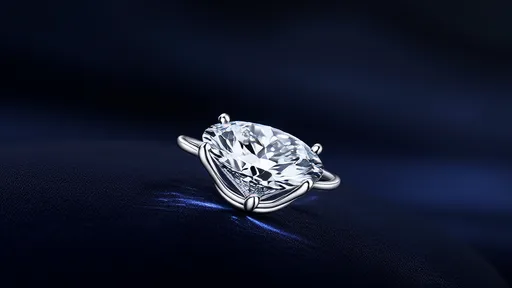
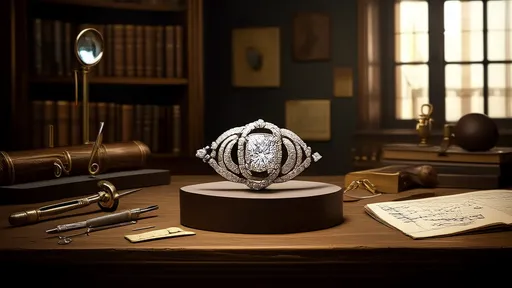
When considering colored diamonds as an investment vehicle, most enthusiasts immediately focus on the stone's color as the primary determinant of value. While it is true that color represents a significant factor—often accounting for the initial visual appeal and a substantial portion of the price—it is far from the only characteristic that dictates a diamond's investment potential and long-term value appreciation. Astute investors and collectors understand that a truly valuable colored diamond is the sum of multiple, intricately balanced attributes. Overlooking any one of these can lead to a poor investment decision, as the market for these rare gems is nuanced and driven by connoisseurship.

The clarity of a colored diamond is a factor that demands careful consideration, though its importance is often weighed differently than in the colorless diamond market. Inclusions—internal characteristics—can sometimes be masked or even complemented by a diamond's intense body color. A strong, vivid hue can make certain inclusions less visible to the naked eye. However, this does not mean clarity should be ignored. Heavily included stones may have structural weaknesses that affect their durability, a critical factor for a piece meant to be a store of value. Furthermore, high-clarity colored diamonds are exceptionally rare. An internally flawless fancy vivid blue or pink diamond commands a monumental premium precisely because such a combination of perfect color and perfect clarity is a geological near-impossibility. The investor must strike a balance: seeking a stone where the inclusions do not detract from the beauty or integrity of the gem, understanding that a slight compromise on clarity might be necessary to acquire a superior color, but never venturing into territory where the inclusions pose a risk.

Another cornerstone of valuation is the carat weight. In the realm of diamonds, size is not a linear but an exponential factor in pricing. This is especially pronounced with colored diamonds. A two-carat fancy intense pink diamond is not merely double the price of a one-carat stone with identical color, clarity, and cut; it can be four, five, or even ten times the price. This price-per-carat premium for larger stones exists because finding rough material with intense, even color that is also large enough to yield a substantial polished gem is incredibly uncommon. For the investor, this presents a strategic decision. Smaller carat weight stones offer a more accessible entry point into the market, but the most significant appreciation potential often lies with larger, rarer specimens. The market liquidity, however, can be higher for stones in the one-to-three-carat range, as the pool of potential buyers shrinks considerably as the price ascends into the millions for a single stone.

The role of cut is frequently underestimated by novice investors. A superb cut is not just about achieving a traditional shape or maximizing brilliance as it is with white diamonds. For colored diamonds, the cut is the artisan's tool for optimizing the color. The angles and proportions of the facets are meticulously calculated to reflect light in such a way that it travels through the stone to maximize the saturation and intensity of its hue. A poorly cut stone can "leak" color, appearing washed out or displaying undesirable color zones (areas of uneven color). A master cutter can sometimes salvage a stone with a weaker color by employing a specific cut to concentrate the hue, thereby elevating its color grade and, consequently, its value. When evaluating a potential investment, one must assess how well the cut showcases the diamond's inherent color. Does the stone look vibrant and evenly colored from all angles? The cut is the crucial intermediary between the diamond's raw potential and its finished beauty.

Perhaps the most complex and critical element is the diamond's origin and certification. In today's market, provenance is paramount. A diamond's geographical origin can have a profound impact on its value and desirability. For instance, pink diamonds from the now-closed Argyle mine in Australia carry a specific cachet and rarity that pinks from other locations cannot match. Similarly, certain vivid green diamonds are highly prized if their origin can be traced to specific historical mines. This leads directly to the necessity of certification. Reputable, independent gemological laboratories like the Gemological Institute of America (GIA) or the Gübelin Gem Lab provide the essential verification of a diamond's natural color, its characteristics, and often its origin. Their reports are the bedrock of trust in a high-value transaction. An investment-grade colored diamond must be accompanied by a certificate from a top-tier lab; without it, the stone's attributes and even its natural status are questionable, rendering it nearly impossible to resell at a premium on the open market.

Finally, the overarching factor that synthesizes all others is the concept of rarity and market demand. Rarity is not an isolated metric; it is the interplay of all the factors mentioned above. What is the rarity of a 5-carat, internally flawless, fancy vivid blue diamond with an excellent cut and a documented origin? It is perhaps a once-in-a-generation find. However, rarity alone is not enough; it must be paired with sustained market demand. The investment landscape for colored diamonds is shaped by global wealth, collector trends, and aesthetic preferences. While red diamonds are the rarest, intense pinks and blues have historically shown incredibly strong and steady demand from collectors across the globe, making them a potentially more liquid investment. An investor must not only acquire a rare stone but a stone whose rarity is recognized and coveted by the market. This requires staying informed about auction results, collector preferences, and macroeconomic factors that influence the appetite for luxury assets.

In conclusion, successful investment in colored diamonds requires a holistic and discerning approach. While the captivating color may be the siren's call, the wise investor will give equal, if not greater, scrutiny to the diamond's clarity, carat weight, cut quality, and its certified provenance. Understanding how these elements interact to create rarity and align with market demand is the true art of investment. It is a market that rewards knowledge, patience, and a deep appreciation for the unique natural artistry of each stone.

Recommend Posts
Jewelry

The Biocompatibility of Titanium Metal: Scientific Principles Behind the Allergy-Prone People's Blessing"

By /Aug 27, 2025

In the ever-evolving landscape of medical materials science, few advancements have garnered as much attention and acclaim as the integration of titanium and its alloys into the human body. For decades, the quest for the perfect biocompatible material—one that the human body would not just tolerate, but truly accept—has been a primary focus. While stainless steel and cobalt-chromium alloys served their purpose, they often came with a significant drawback: the potential to trigger allergic reactions and inflammatory responses in a notable segment of the population. This has left many individuals, often labeled with "sensitive" or "allergic" constitutions, anxious about necessary medical interventions like joint replacements, dental implants, or bone fixation devices. The emergence of titanium as a premier biomaterial has, quite literally, been a godsend for this group, offering a safe and remarkably compatible alternative. The scientific principles underpinning this compatibility are a fascinating interplay of chemistry, physics, and biology, revealing why titanium has earned its reputation as the "gospel for the allergic constitution."
Jewelry

Advanced Laboratory-Grown Diamonds: The Convergence of CVD and HPHT Technologies

By /Aug 27, 2025

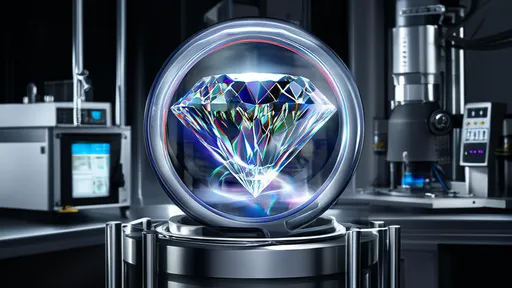
The diamond industry stands at the precipice of a transformative era, one defined not by the extraction of precious stones from the earth, but by their meticulous creation in controlled laboratory environments. For decades, the narrative of lab-grown diamonds was one of two competing technologies: Chemical Vapor Deposition (CVD) and High-Pressure High-Temperature (HPHT). Each method carved its own path, with distinct advantages and inherent limitations. CVD excelled in producing high-purity, type IIa diamonds ideal for jewelry, while HPHT was the workhorse for creating smaller, often colored stones and indispensable industrial grit. However, the most significant and exciting evolution is no longer a story of competition, but of convergence. The strategic fusion of CVD and HPHT technologies is emerging as the definitive next chapter, pushing the boundaries of what is possible in lab-grown diamond synthesis and unlocking unprecedented levels of quality, size, and efficiency.
Jewelry

Ceramic Jewelry Drop Test: What are the Consequences of Falling from One Meter?

By /Aug 27, 2025

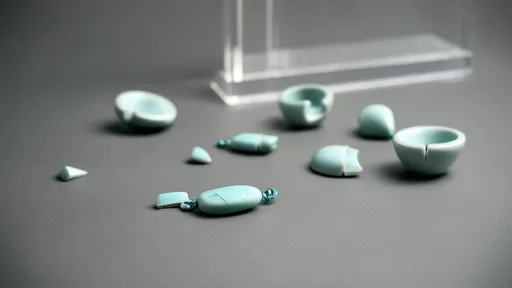
When a piece of ceramic jewelry slips from your hand or falls from a height of one meter, the consequences are far from predictable. Unlike metals or plastics, ceramic materials possess unique physical properties that make their behavior under impact both fascinating and complex. To understand what happens during such an event, we must delve into the nature of ceramics, the design of the jewelry, and the conditions of the fall itself.
Jewelry

Enamel Craft Temperature Curve: The Decisive Impact of Color Every Minute Inside the Kiln

By /Aug 27, 2025

In the intricate world of enamel artistry, the kiln stands as both a crucible of creation and a master of transformation. Within its heated chamber, the marriage of metal and glass unfolds under the precise governance of temperature—a variable so potent that each minute within the firing cycle wields decisive influence over the final chromatic outcome. For artisans and industrial craftsmen alike, understanding the thermal narrative of enameling is not merely technical knowledge; it is the language through which color speaks, evolves, and achieves permanence.
Jewelry

Mechanics of Golden Thread Weaving: How to Make 0.1mm Gold Wire Both Soft and Strong?

By /Aug 27, 2025

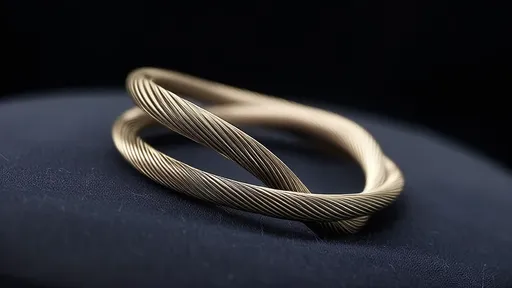
The delicate dance between softness and strength in 0.1mm gold wire represents one of material science’s most elegant challenges. For centuries, gold has been prized not only for its beauty and corrosion resistance but also for its malleability. Yet, when drawn into ultra-fine wires, the very properties that make gold so workable can become liabilities. How does one engineer a material that must be pliable enough to weave into intricate patterns yet robust enough to withstand mechanical stress without breaking? The answer lies not in the purity of the gold alone, but in a sophisticated interplay of metallurgy, mechanical processing, and microstructural design.
Jewelry

Lightness and Color of Titanium Metal: Constructing a Database for Anodizing Technology Colors"

By /Aug 27, 2025

Titanium has long captivated engineers and designers with its paradoxical nature—a metal boasting the strength of steel at nearly half the weight. Yet beyond its mechanical prowess lies an aesthetic dimension that has remained underexplored until recent years. The emergence of anodic oxidation as a surface treatment technique has unlocked a vibrant palette of colors on titanium, transforming it from a purely functional material into a medium for artistic and commercial expression. This technological advancement is not merely about adding hue; it represents a sophisticated interplay between science, art, and industry that demands systematic documentation and standardization.
Jewelry

The World Under a Micro-Setting Microscope: The Principle of Grasping and Fixing 0.5mm Gemstones

By /Aug 27, 2025

In the intricate world of gemology, the manipulation of minuscule gemstones presents a unique set of challenges that demand both precision and ingenuity. When dealing with specimens as small as 0.5mm, the line between successful handling and potential loss or damage is exceedingly fine. The process of grasping and securing such tiny treasures under a microscope is not merely a procedural step; it is a fundamental aspect of the craft that requires a deep understanding of both the tools and the materials involved.
Jewelry

Post-processing of Metal Additive Manufacturing (3D Printing): How to Achieve a Handcrafted Texture?

By /Aug 27, 2025

In the ever-evolving landscape of additive manufacturing, the pursuit of aesthetic excellence has become as crucial as functional performance. While metal 3D printing excels at producing complex, high-strength components with remarkable precision, the as-printed surface often bears the tell-tale layered appearance and rough texture that betrays its automated origin. For applications where visual appeal, tactile quality, and a bespoke, artisanal feel are paramount—such as in high-end consumer products, architectural features, luxury goods, or custom automotive parts—achieving a hand-finished quality is not just a detail; it is the defining characteristic. This journey from a raw printed part to an object with soul and character involves a nuanced understanding of both traditional craftsmanship and modern post-processing techniques.
Jewelry

Ethics of Antique Jewelry Restoration: Should It Be Restored to New or Kept as Old?

By /Aug 27, 2025

The gentle chime of a Victorian locket opening after decades of silence, the sudden fiery spark of light catching a cleaned Edwardian diamond – these are the moments that define the work of an antique jewelry conservator. Yet behind these moments of quiet triumph lies a complex and often contentious philosophical battlefield. The central question, one that has echoed through museum halls and private workshops for generations, remains deceptively simple: should we restore a piece to its original, gleaming glory, or preserve its accumulated history, patina and all? This is not merely a technical decision but a profound ethical dilemma, balancing historical integrity against aesthetic desire, and authenticity against functionality.
Jewelry

How to Choose Earrings for Different Face Shapes? Professional Tips from a Stylist

By /Aug 27, 2025

As a seasoned stylist who has worked with countless clients, I’ve always believed that accessories can make or break an outfit. Among these, earrings hold a special place—they frame the face, draw attention to the eyes, and can subtly enhance one’s natural features. But with so many styles, lengths, and designs available, how do you know which earrings are right for you? The answer often lies in understanding your face shape. It’s not about following rigid rules; it’s about creating harmony and balance that complements your unique bone structure.
Jewelry

Men's Jewelry Selection: From Subtle Cufflinks to Statement Bracelets - A Style Evolution

By /Aug 27, 2025

In the world of men's fashion, jewelry has long been the silent partner to tailored suits and crisp shirts, but those days are fading fast. What was once confined to the subtle glint of a wedding band or the understated elegance of cufflinks has blossomed into a full-fledged style language. Modern masculinity now embraces a spectrum of adornment, from pieces that whisper sophistication to those that shout personality. This evolution isn't about abandoning tradition; it's about expanding the vocabulary of a man's wardrobe, allowing for greater expression and individuality. The journey into men's jewelry is a personal one, a curated path that often begins with the classics and gradually, confidently, ventures into more distinctive territory.
Jewelry

Investing in Colored Diamonds: Five Essential Factors to Consider Beyond Color

By /Aug 27, 2025

When considering colored diamonds as an investment vehicle, most enthusiasts immediately focus on the stone's color as the primary determinant of value. While it is true that color represents a significant factor—often accounting for the initial visual appeal and a substantial portion of the price—it is far from the only characteristic that dictates a diamond's investment potential and long-term value appreciation. Astute investors and collectors understand that a truly valuable colored diamond is the sum of multiple, intricately balanced attributes. Overlooking any one of these can lead to a poor investment decision, as the market for these rare gems is nuanced and driven by connoisseurship.
Jewelry

Ultrasonic Jewelry Cleaning: Safety Testing of Different Frequencies on Various Gemstones

By /Aug 27, 2025

In the world of jewelry care, ultrasonic cleaners have become a popular tool for both professionals and enthusiasts seeking efficient and thorough cleaning results. These devices utilize high-frequency sound waves to create microscopic bubbles in a cleaning solution, which then implode and dislodge dirt, oils, and other contaminants from the surface and crevices of gemstones and jewelry settings. However, the safety of using ultrasonic cleaners on various types of gemstones has long been a topic of debate, largely due to the different frequencies employed by these machines and the diverse physical properties of gem materials.
Jewelry

Invisible Setting": The Mystery of Gemstone Fixation without Metal Claws

By /Aug 27, 2025

In the world of fine jewelry, innovation often arrives quietly, yet its impact resonates profoundly. Among the most remarkable advancements in recent years is the development of metal-free, invisible gemstone settings—commonly known as "seamless" or "invisible" settings. This technique, which entirely eliminates the need for traditional metal prongs or claws, represents a paradigm shift in how gemstones are secured and presented. The absence of visible metal not only enhances the purity and brilliance of the stones but also allows for designs that appear almost magical, as if the gems are floating in place. This article delves into the fascinating technology and artistry behind this revolutionary approach to jewelry craftsmanship.
Jewelry

Precision Metal Micro-Weaving: Imitation Silk Texture of Precious Metal Woven Fabric

By /Aug 27, 2025

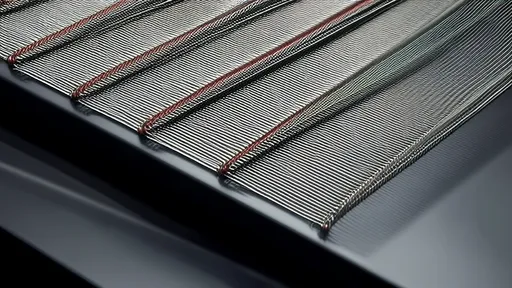
In the quiet hum of a Swiss laboratory, a revolution in material science is unfolding. Researchers are not merely crafting jewelry or decorative items; they are weaving metal with such precision that it begins to feel, drape, and shimmer like one of nature’s most coveted textiles: silk. This is the world of precision metal micro-weaving, an avant-garde discipline where the cold, hard permanence of precious metals is transformed into textiles of breathtaking delicacy and luxury. The implications stretch far beyond aesthetics, hinting at a future where our very definition of fabric is rewritten.
Jewelry

Ethics of Antique Jewelry Restoration: Should It Be Restored to New or Preserve Its Historical Patina?

By /Aug 27, 2025

In the hushed halls of museums and the intimate spaces of private collections, a quiet but profound debate endures regarding the ethics of restoring antique jewelry. This is not merely a technical discussion of methods and materials, but a philosophical inquiry into the very soul of an object. Should a piece be returned to its original, gleaming glory, as if the centuries had never touched it? Or should the patina of age—the gentle wear, the minor imperfections, the subtle scars of a lived history—be preserved as an intrinsic part of its narrative? The answer is rarely straightforward, residing instead in a complex interplay of historical significance, cultural value, and intended purpose.
Jewelry

Deciphering the Hidden Information in GIA Certificates: What's Written in the Comments Section Besides the 4Cs?

By /Aug 27, 2025

For generations, diamond buyers have been taught to focus on the Four Cs: Carat, Cut, Color, and Clarity. These metrics, prominently displayed on a Gemological Institute of America (GIA) grading report, form the bedrock of a stone's quality assessment and market value. However, to consider the report complete after reviewing these four characteristics is to read only the headline and skip the article. The true narrative, the nuanced story that separates a good diamond from a great one, or reveals a potential pitfall, is often found in the often-overlooked comments section.
Jewelry

Emerald Ultrasonic Cleaning Disaster Case: How Do Fissures Get Amplified?

By /Aug 27, 2025

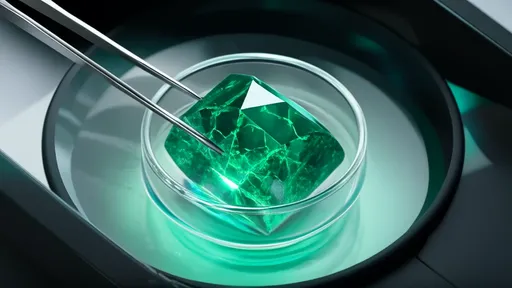
In the world of fine jewelry care, ultrasonic cleaners have long been regarded as a modern marvel, offering a swift and seemingly thorough method for restoring brilliance to precious stones. However, this technology, when applied without a deep understanding of gemology, can lead to catastrophic and irreversible damage. A particularly harrowing case study in this realm involves the ultrasonic cleaning of emeralds, a gemstone celebrated for its lush green hue but notoriously fragile internal structure. The core of the disaster lies in a single, critical phenomenon: the enlargement of pre-existing fractures, or inclusions, within the stone. This process, driven by the very mechanics of ultrasonic technology, transforms a routine cleaning into a destructive event, often leaving a once-valuable gem fractured and worthless.
Jewelry

Life Extension Technique for Pearls: Scientific Control of Humidity and Acid-Base Environment"

By /Aug 27, 2025

Pearls have long captivated humanity with their iridescent beauty, but their delicate nature poses significant challenges for preservation. Unlike gemstones formed from minerals, pearls are organic creations, primarily composed of calcium carbonate and conchiolin. This biological origin makes them exceptionally vulnerable to environmental factors, particularly humidity and pH levels. Recent scientific advancements have unveiled sophisticated methods to extend the lifespan of these treasures by meticulously controlling their surroundings.
Jewelry

Home Taboos for Jewelry Cleaning: Why Not Use Toothpaste and Silver Cleaning Solution?

By /Aug 27, 2025

In the quiet corners of home jewelry care, a dangerous misconception has taken root—one that promises sparkling results but delivers irreversible damage. For decades, household staples like toothpaste and commercial silver dips have been mistakenly championed as DIY cleaning solutions for precious metals and gemstones. The logic seems sound on the surface: these products are abrasive, accessible, and effective on other surfaces. Yet what works for teeth or tarnished silverware spells disaster for fine jewelry, and understanding why requires peeling back the layers of material science, chemistry, and craftsmanship that make jewelry so vulnerable to well-intentioned errors.