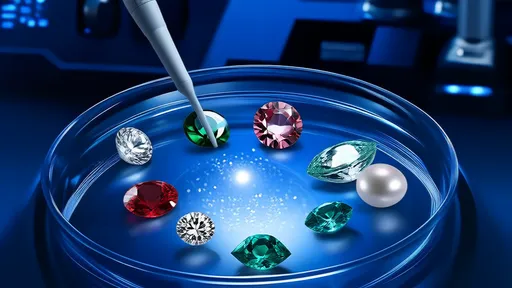
In the world of fine jewelry, innovation often arrives quietly, yet its impact resonates profoundly. Among the most remarkable advancements in recent years is the development of metal-free, invisible gemstone settings—commonly known as "seamless" or "invisible" settings. This technique, which entirely eliminates the need for traditional metal prongs or claws, represents a paradigm shift in how gemstones are secured and presented. The absence of visible metal not only enhances the purity and brilliance of the stones but also allows for designs that appear almost magical, as if the gems are floating in place. This article delves into the fascinating technology and artistry behind this revolutionary approach to jewelry craftsmanship.
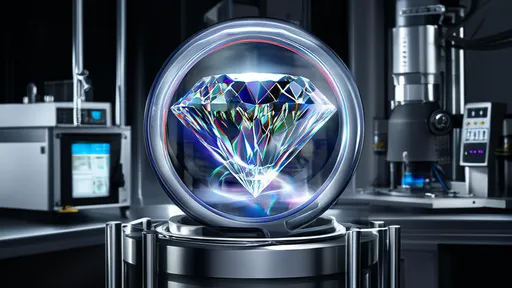
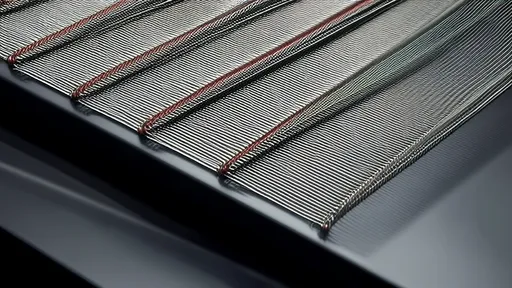
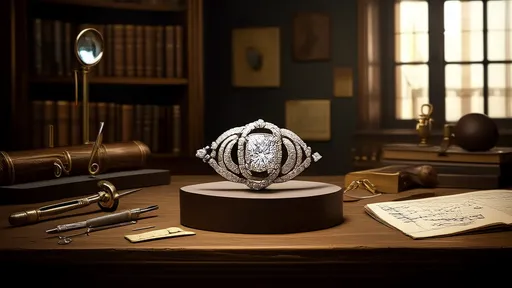
The concept of securing gemstones without metal claws is not entirely new; it has roots in historical techniques such as the "mystery setting" developed by Van Cleef & Arpels in the 1930s. However, modern iterations have pushed the boundaries much further, leveraging cutting-edge technology and materials to achieve unprecedented levels of precision and durability. Unlike traditional settings that rely on metal to grip the stone, invisible settings use meticulously engineered grooves and channels carved directly into the gemstones themselves. These grooves interlock with a hidden framework, often made from robust, transparent materials like advanced ceramics or specially treated composites, creating a seamless bond that is both secure and virtually undetectable to the naked eye.
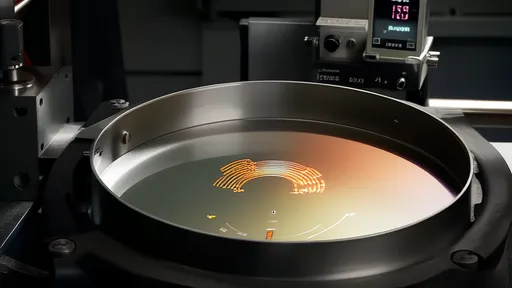
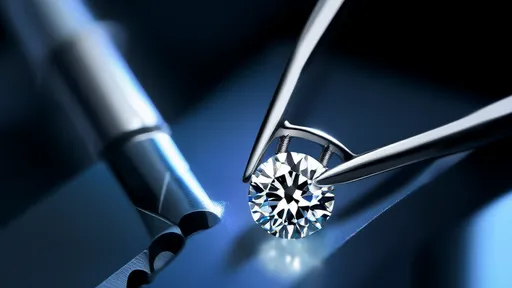
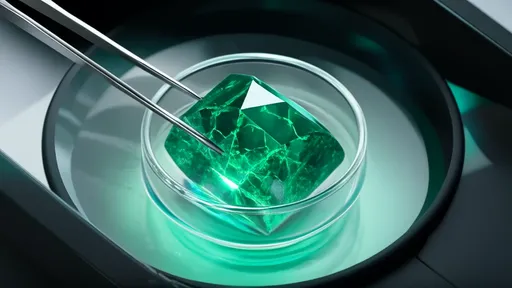
One of the core challenges in perfecting this technique lies in the precision required during the gemstone cutting phase. Each stone must be cut to exacting specifications, with grooves that are micro-measured to fit perfectly within the setting's structure. This process demands not only advanced machinery, such as laser cutters and computer-aided design (CAD) systems, but also the skilled hands of master lapidaries who can ensure that the integrity and brilliance of the gem are preserved. Even a minute deviation can compromise the entire setting, making consistency and accuracy paramount. The result, however, is a breathtaking display where light interacts with the gem unimpeded by metal, maximizing its fire and scintillation.
Beyond the technical execution, the aesthetic benefits of invisible settings are transformative. Designers are now free to create pieces that emphasize the natural beauty of the gemstones without the visual interruption of metal elements. This is particularly impactful in pieces featuring multiple stones, such as pavé or mosaic designs, where the absence of claws allows for a continuous, shimmering surface. The gems appear to blend into one another, creating a fluid, organic effect that is both modern and timeless. This style has gained popularity in high jewelry collections, where it is often used to craft statement pieces that exude elegance and sophistication.
Durability, often a concern with innovative techniques, is another area where invisible settings have made significant strides. Early versions of prong-free settings were sometimes criticized for being less secure than their metal-claw counterparts. However, advancements in material science have led to the development of frameworks that are not only transparent but also exceptionally strong. These materials, which may include reinforced polymers or nano-ceramics, are engineered to withstand daily wear and tear, including impacts and temperature changes. Additionally, the interlocking mechanism distributes pressure evenly across the gemstone, reducing the risk of chipping or loosening over time.
The process of creating a piece with an invisible setting is labor-intensive and requires a harmonious collaboration between designers, gem cutters, and setters. It begins with the design phase, where the arrangement of stones is planned down to the micron. Next, each gem is individually cut and grooved, a process that can take hours per stone depending on its size and complexity. The setting framework is then fabricated, often using 3D printing or precision molding to achieve the necessary accuracy. Finally, the stones are carefully inserted into the framework, a task that demands a steady hand and an eye for detail. This meticulous approach ensures that the final product is not only beautiful but also built to last.
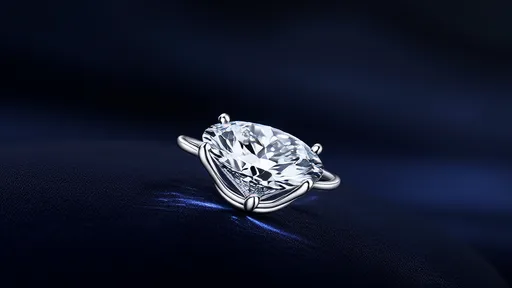
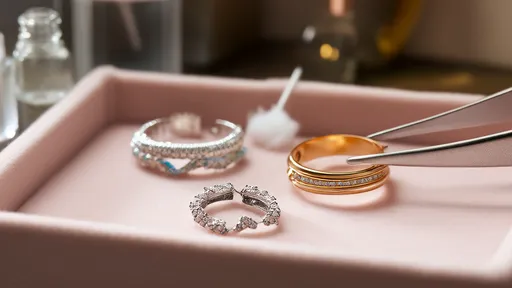
Invisible settings have found applications across various types of jewelry, from rings and bracelets to necklaces and earrings. They are particularly favored for pieces that aim to showcase the gemstones in their purest form, such as solitaire rings or gem-heavy cuffs. Moreover, this technique has opened new possibilities for creative expression, enabling designers to experiment with unconventional shapes and configurations that would be difficult or impossible to achieve with traditional settings. As consumers increasingly seek unique and personalized jewelry, invisible settings offer a way to deliver one-of-a-kind pieces that stand out for their craftsmanship and innovation.
Despite its many advantages, the invisible setting technique is not without its challenges. The cost of production is significantly higher due to the time, skill, and technology involved. This makes pieces with invisible settings typically more expensive than those with traditional settings, positioning them in the luxury segment of the market. Additionally, repairs can be more complex, as accessing the setting without damaging the gems requires specialized expertise. However, for many enthusiasts and collectors, the unparalleled beauty and uniqueness of these pieces justify the investment.
Looking ahead, the future of invisible settings is bright, with ongoing research focused on enhancing both aesthetics and functionality. Innovations in material science may lead to even stronger and more transparent frameworks, while advances in automation could make the technique more accessible. There is also growing interest in combining invisible settings with other emerging trends, such as sustainable and ethically sourced gemstones, to create jewelry that is not only stunning but also conscientious. As technology continues to evolve, we can expect to see even more breathtaking applications of this ingenious method.
In conclusion, the advent of metal-free, invisible gemstone settings marks a significant milestone in jewelry design. By eliminating visible metal claws, this technique allows the true beauty of gemstones to take center stage, resulting in pieces that are both innovative and timeless. While it demands exceptional skill and precision, the outcome is a testament to human ingenuity and the endless pursuit of perfection in art. For those who appreciate the finer things in life, jewelry with invisible settings offers a glimpse into the future of craftsmanship—where magic and science intertwine to create something truly extraordinary.

By /Aug 27, 2025
By /Aug 27, 2025
By /Aug 27, 2025
By /Aug 27, 2025
By /Aug 27, 2025
By /Aug 27, 2025
By /Aug 27, 2025
By /Aug 27, 2025
By /Aug 27, 2025

By /Aug 27, 2025

By /Aug 27, 2025

By /Aug 27, 2025
By /Aug 27, 2025
By /Aug 27, 2025
By /Aug 27, 2025
By /Aug 27, 2025

By /Aug 27, 2025
By /Aug 27, 2025

By /Aug 27, 2025
By /Aug 27, 2025
